
NeuroBin is an Edge-AI powered smart waste segregator that automatically sorts waste into biodegradable (food scraps, paper, garden waste) and non-biodegradable (plastics, metals, packaging) categories using a CNN model on Raspberry Pi 4. It integrates HC-SR04 ultrasonic sensors for object detection, MG90S servo motors for precise sorting, and achieves ~12 items/min throughput with <500ms latency, reducing manual sorting and contamination.Targeting UN SDG 11, NeuroBin cuts municipal overflow costs with scalable hardware sales (₹35–45K/unit, 65–70% margin) and SaaS analytics for waste insights.
NeuroBin: AI-Powered Smart Waste Segregation System
NeuroBin is a smart waste classification and segregation system that integrates deep learning and embedded automation to solve the challenge of real-time waste disposal. The system classifies waste as Biodegradable or Non-Biodegradable and triggers a physical mechanism to open the appropriate bin.
Project Overview
NeuroBin is an AI-powered waste segregation system designed to automate the classification of waste at the point of disposal. It uses a Convolutional Neural Network (CNN) to identify whether an item is Biodegradable or Non-Biodegradable based on its visual characteristics. This classification then triggers a corresponding physical response — the automatic opening of the appropriate dustbin lid.
The primary objective is to reduce improper waste disposal and promote recycling and sustainability through intelligent decision-making at the bin level. The solution is scalable and can be integrated into smart homes, schools, institutions, and city-wide smart bins.
This project demonstrates how the integration of machine learning with real-world embedded systems can create practical and impactful environmental solutions. The complete solution involves:
- A custom-trained CNN using more than 250,000 waste images
- Fine-tuning using structured and curated datasets
- Real-time inference via camera feed and image classification
- Integration with servo-controlled physical bins
Why NeuroBin?
- Real-time AI-powered waste classification
- Deployed on edge device (Raspberry Pi)
- Tested on real-world waste scenarios
- High accuracy with robust generalization
Circuit Diagram
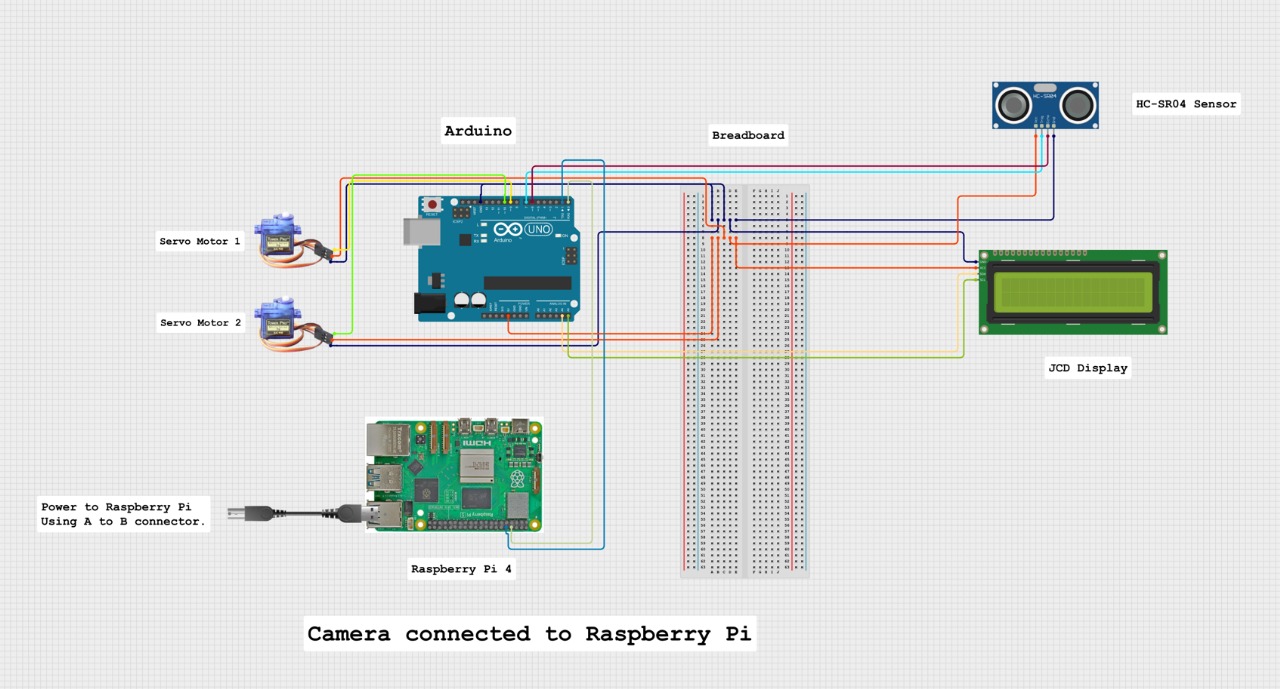
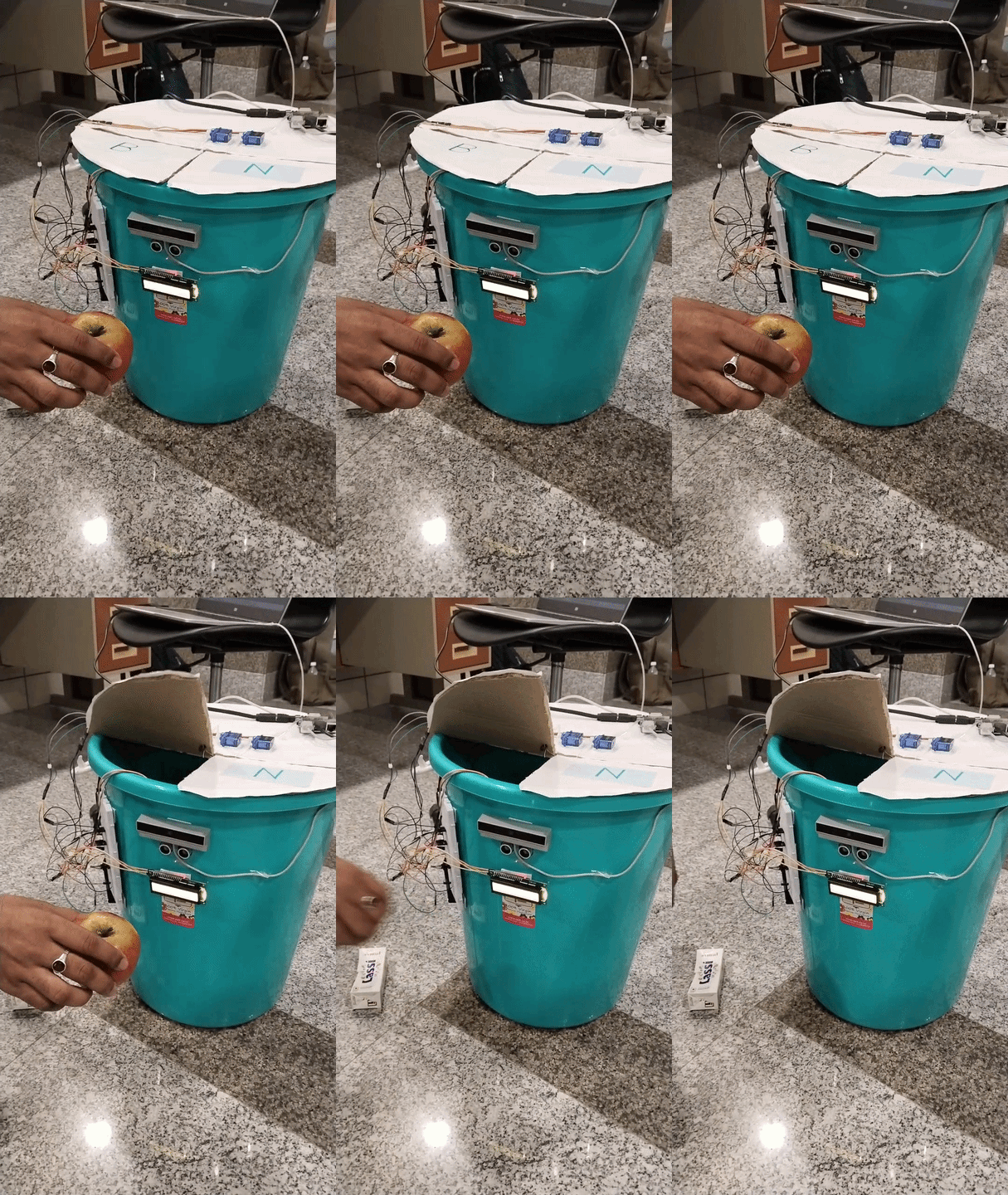
Real-World Demonstration
- Apple → Biodegradable → Biodegradable(B) bin opens
- Cardboard → Biodegradable → Biodegradable(B) bin opens
- Amul Lassi Tetra Pack → Non-Biodegradable(N) → Red bin opens
Video and image proof of the live system operation are provided in the assets/ folder.
- Video Demo:
assets/Demo_video.mp4 - Smart Bin Image:
assets/neurobin.jpg
Datasets Used
-
rayhanzamzamy/non-and-biodegradable-waste-dataset
Used for initial model training (~256,000 images). -
sujaykapadnis/cnn-waste-classification-image-dataset
Used for fine-tuning to increase model performance. -
techsash/waste-classification-data
Used as an independent evaluation/test dataset.
Model Architecture
The classification model is a custom-built Convolutional Neural Network (CNN) comprising:
- Three convolutional layers with max pooling
- A flattening layer followed by a dense hidden layer
- Dropout regularization for generalization
- Output layer with softmax activation for binary classification
The final model is exported in .keras and .tflite formats, making it compatible with both software testing and real-time embedded deployment.
Files Included
| File | Description |
|---|---|
model_pretrain.py |
Initial training using the 256k image dataset |
model_training.py |
Fine-tuning using two smaller, curated datasets |
model_evaluation.py |
Testing and confusion matrix generation |
model_inference_demo.py |
Real-time inference via Colab-based upload |
fine_tuned_waste_classifier_v2.keras |
Final model (can be downloaded or loaded) |
requirements.txt |
Dependency list |
README.md |
Project documentation |
assets/ |
Images and videos of the smart bin implementation |
How to Run
- Clone this repository:
git clone https://github.com/utkarshgupta-ai/NeuroBin-Smart-Waste-Segregator.git
cd NeuroBin-Smart-Waste-Segregator
- Install the required packages:
pip install -r requirements.txt
- Run training or demo scripts as needed:
python model_pretrain.py         # Train from scratch
python model_training.py         # Fine-tune pretrained model
python model_evaluation.py       # Evaluate model performance
For real-time testing:
- Open
model_inference_demo.pyin Google Colab - Upload any waste image
- View predictions and classification confidence
Model Testing & Results
The NeuroBin model was tested on real-world waste items including food, packaging, and mixed materials.
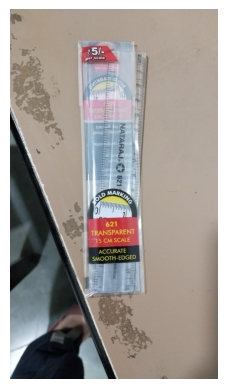
| Image | Prediction | Confidence |
|---|---|---|
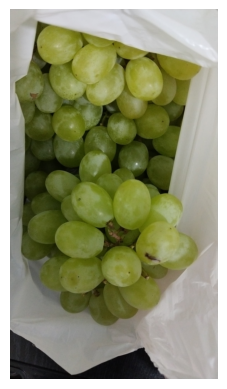 |
Biodegradable | 100% |
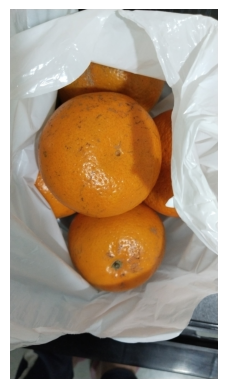 |
Biodegradable | 99.98% |
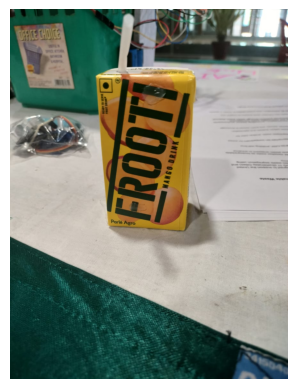 |
Non-Biodegradable | 68.78% |
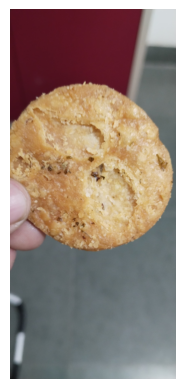 |
Biodegradable | 100% |
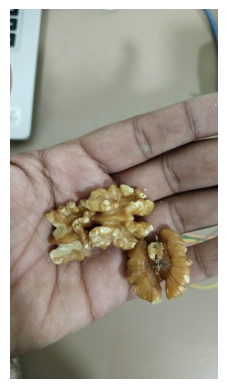 |
Biodegradable | 73.21% |
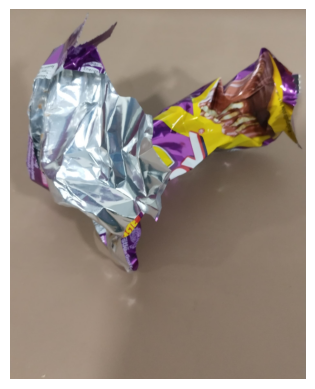 |
Non-Biodegradable | 87.97% |
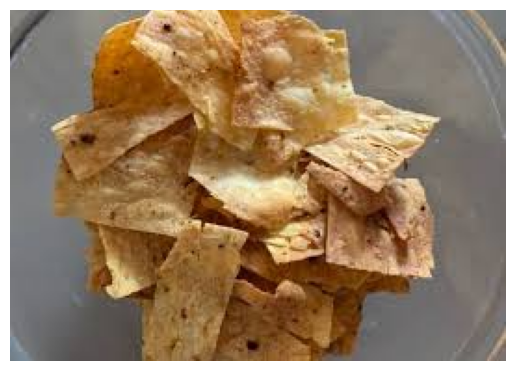 |
Biodegradable | 100% |
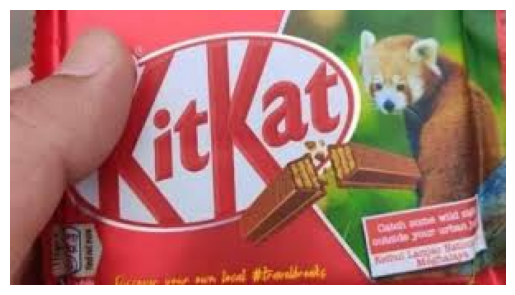 |
Non-Biodegradable | 87.97% |
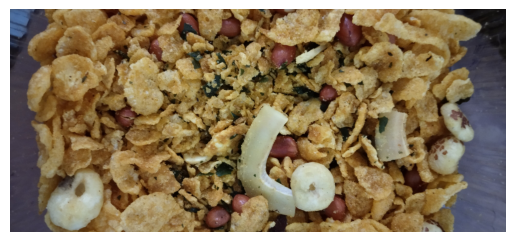 |
Biodegradable | 100% |
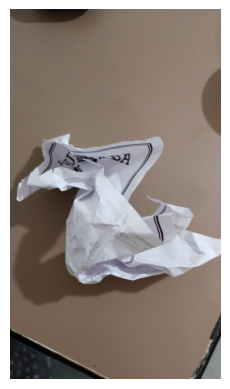 |
Non-Biodegradable | 99.98% |
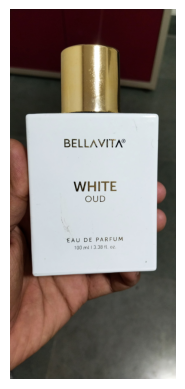 |
Non-Biodegradable | 100% |
 |
Non-Biodegradable | 99.96% |
Key Observations
- Achieves near-perfect accuracy on organic waste items
- Strong classification performance on packaged materials
- Robust across real-world conditions and lighting variations
Model Performance
- Training Accuracy: 94.28%
- Validation Accuracy: 93.56%
Real-World Testing
The model was tested on diverse real-life waste scenarios including food items, plastic packaging, and mixed materials under varying lighting conditions.
The model demonstrates strong generalization across unseen real-world waste items.
Deployment
The final model (.keras or .tflite) can be embedded into a Raspberry Pi, Jetson Nano, or ESP32-CAM-based system using OpenCV and GPIO controls to activate bins via servo motors or relays.
Project Demo
Evaluation and Metrics
- Validation Accuracy: ~94%
- Loss Function: Sparse Categorical Crossentropy
- Optimizer: Adam
- Evaluation: Performed on a separate unseen dataset with high confidence
Confusion matrix and accuracy reports are generated via model_evaluation.py.
Author
Utkarsh Gupta
Domain expertise: Machine Learning, Embedded Systems, Computer Vision
License
This project is licensed under the MIT License. Feel free to use, modify, and distribute with attribution.
Previous
Hack4SocialGood 2026